
Accenture: 30.06.2026
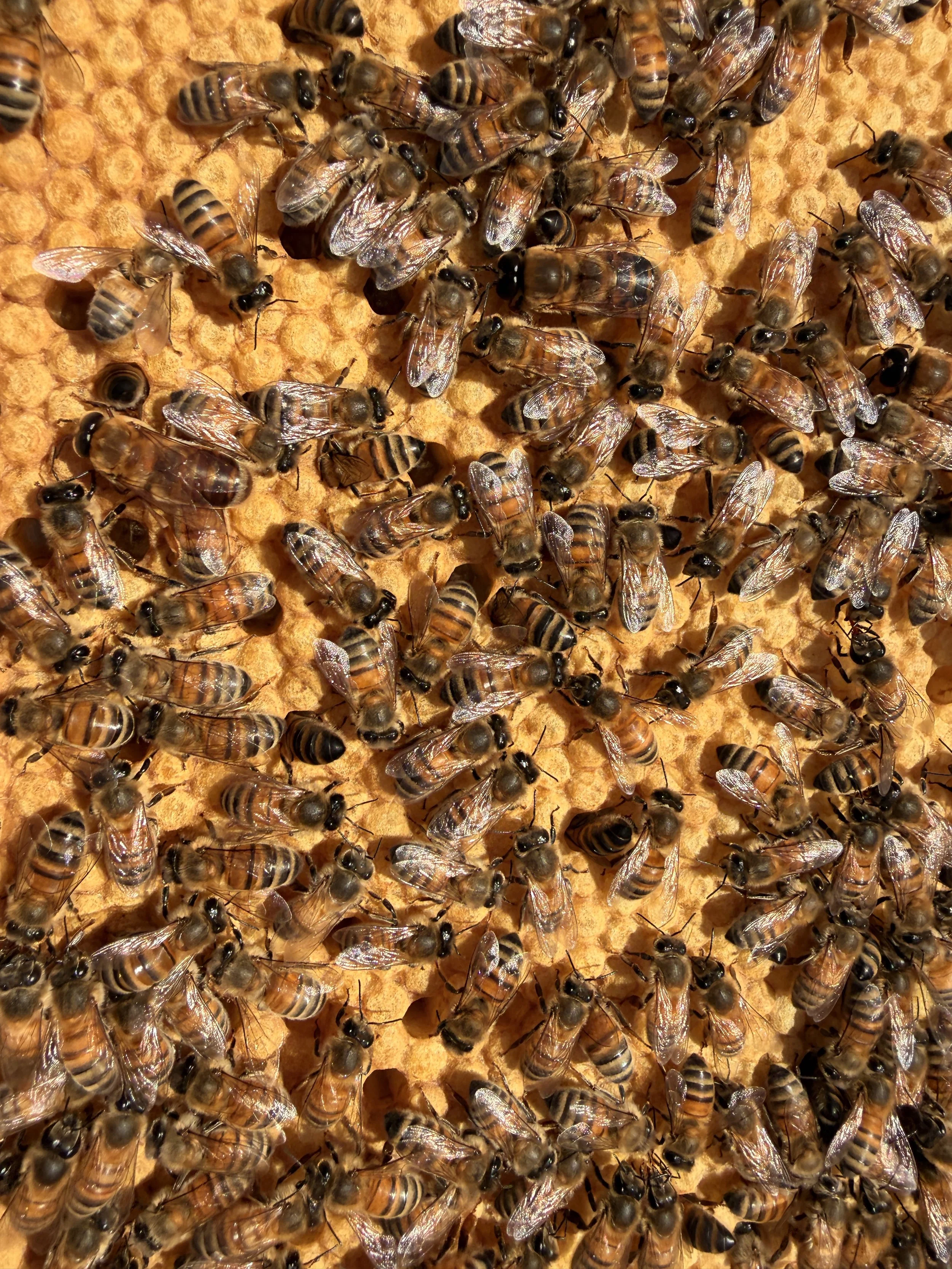
When flowers are in full bloom, food is abundant in nature and the forager bees work in two shifts to collect all the nectar in storage for the winter. The foragers returning to the hive are met by a group of storage workers at the entrance to the hive, who receive the nectar cargo for further processing.
The storage bees convert the nectar into honey by evaporating the excess water from it before storing it. Bees have many varying roles in the hive, the first of which is to clean their own cell immediately after hatching and prepare it for the next larva or for the storage of honey and pollen.
In a honeybee colony, female workers do all the labor and work their way up the career ladder as they mature. Young bees work as cleaners and nannies feeding the small bees and later building wax combs. As they grow older, they move on to storage work, guarding the hive entrance and finally flying in and out of the hive foraging for food, which is the hardest and most dangerous job for a worker. In their lifetime, one bee collects 1/12 teaspoon of honey, which the next generation of winter bees then eat to keep the hive warm until the following spring.